How and when to pay Inheritance Tax

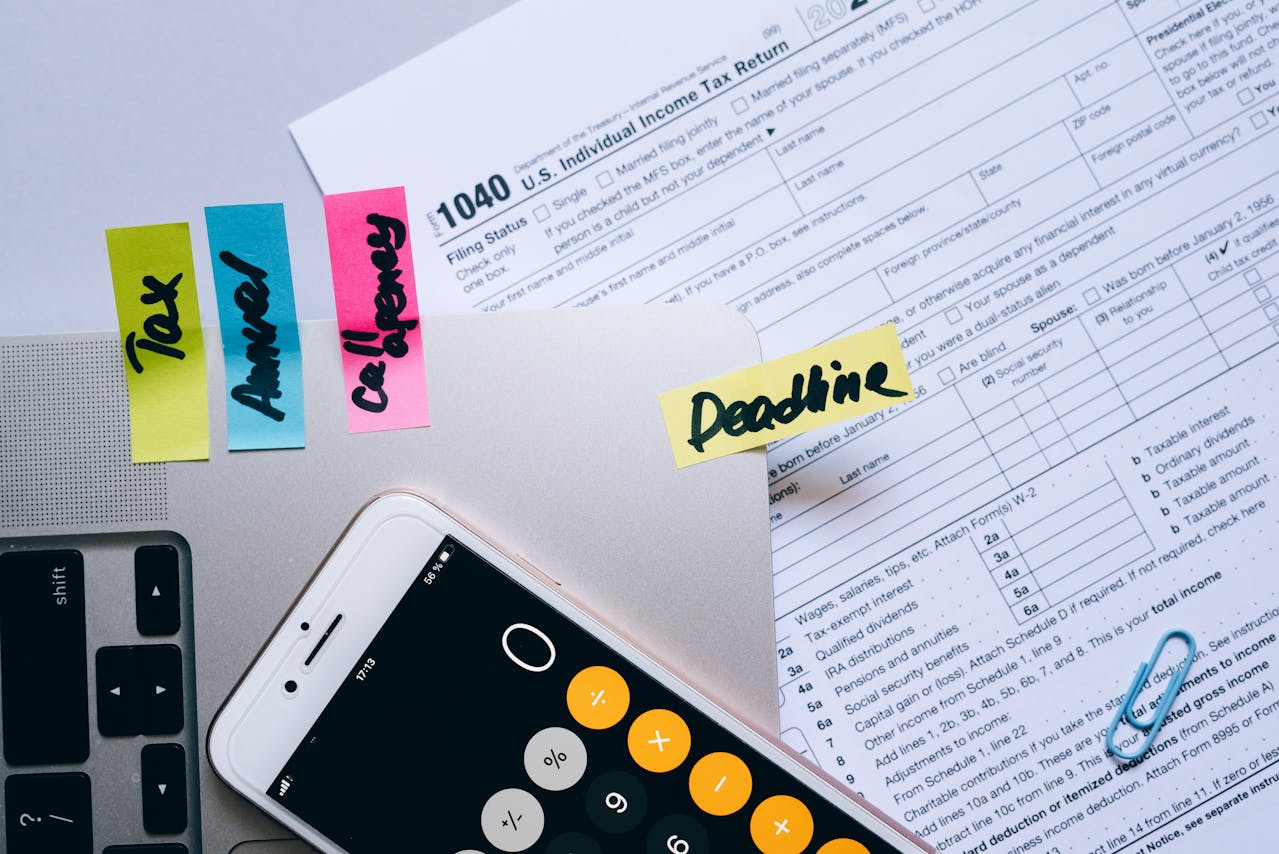
Paying Inheritance Tax (IHT) can feel like a big responsibility, especially if this is the first time you are acting as an executor. Not only do you have to pay IHT, but HMRC also has strict deadlines for payment, and sometimes, these deadlines can come before the money from the estate is even available.
At Provira, we support families through this difficult time with a way to unlock estate funds early. Our Estate Advance gives executors access to up to 50% of the estate value, often within days. That way, you can meet your financial deadlines without any stress or pressure.
If you want to know more about when IHT must be paid, how to pay IHT to HMRC, what your options are if funds are tied up, and why an Estate Advance may be the best option, we break it all down in this guide.
Table of Contents
hide
What is Inheritance Tax?
Inheritance Tax is a tax paid on the combined value of a person’s assets (their home, savings and items) after they pass away.
IHT in the UK is paid at 40% above the nil rate band, which is currently £325,000. Everything above this threshold that isn’t left to a spouse, civil partner or charity is charged at 40%.
Importantly, this nil rate band does increase to £500,000 if the deceased leaves their home to children or grandchildren.
Whilst there are some ways to reduce Inheritance Tax, in general, it needs to be paid relatively quickly.
When do you have to pay Inheritance Tax?
Understanding when you have to pay Inheritance Tax can be one of the most confusing and stressful parts of the process.
Here’s what you need to know.
The basic rule
You must pay Inheritance Tax by the end of the sixth month after the person died.
For example, if someone died in January, payment is due by 31 July.
If you can’t pay by this deadline, HMRC will start charging you interest. Unfortunately, they do this even if delays are outside your control, for example, if you are waiting for a property to sell.
Do you need to pay before probate?
In most cases, yes, you need to pay before probate.
At least part of the Inheritance Tax payment has to be made before HMRC will grant probate.
This creates an impossible situation for many executors: You can’t access estate assets until you have probate, but you can’t get probate until you pay your Inheritance Tax bill.
This is where Provira’s Estate Advance can help. Our Estate Advance allows executors to access up to 50% of the estate value within days, meaning they can get the Inheritance Tax paid and progress with probate.
Who is responsible for paying Inheritance Tax?
The executor or administrator of an estate is legally responsible for paying Inheritance Tax within HMRC’s deadline.
Even if beneficiaries agree to help with IHT payments, it’s the executor that HMRC will contact if payments are missed.
So, how do you actually pay Inheritance Tax?
How to pay Inheritance Tax
Executors have a number of ways to make an HMRC IHT payment. Some are pretty easy to do; others can be slow or stressful.
Some of these include:
1. Pay IHT from the deceased’s bank account
Most banks can pay HMRC directly via the Direct Payment Scheme using:
- The death certificate
- Form IHT423
- Your HMRC inheritance tax payment reference number
This is the easiest option, but only works if there is enough cash in the account.
2. Pay IHT using your own funds (then reclaim later)
Some executors use their own money to pay their IHT bill and then reimburse themselves once probate is granted.
While relatively common, this option does mean creating personal financial risk, which can become stressful if the sale of any assets is delayed.
3. Pay your Inheritance Tax bill online or via bank transfer
You can pay IHT online, through your bank, or in person at a bank or building society.
All you will need is:
- A payment reference
- HMRC bank details
- Proof of authority as executor
4. Pay in yearly instalments
If the estate includes land, property or business assets, HMRC may let you pay IHT in 10 annual installments.
However, it’s important to know that only certain assets qualify, and HMRC will charge interest every year until the full balance is paid. Additionally, if the asset is sold, all remaining IHT becomes payable immediately
5. Use an Estate Advance
When estate funds are tied up in property, investments or unsold assets, and executors don’t want to put their personal funds on the line, another option is available.
An Estate Advance from Provira allows you to access up to 50% of the estate value within days, so you can pay IHT on time and avoid interest penalties from HMRC. Once paid, probate will be granted, allowing the estate to release the funds through selling assets.
You do not need a personal guarantee, and the advance is paid back only when the estate funds are released, so it’s a low-risk option for executors.
To find out more, get in touch with Provira’s team today.
What if you don’t know the exact Inheritance Tax amount yet?
That’s okay. An estate needs to be valued before you know exactly how much Inheritance Tax is due, and sometimes this can take a little while.
The good news is that you can make payments to HMRC before you know the final figure. This not only reduces the risk of incurring interest, but it also makes it easier to get probate sooner
What happens if you can’t pay Inheritance Tax?
If the estate can’t pay Inheritance Tax, you do have a few options. These include:
- Asking for delayed payment (not always accepted)
- Paying in installments (but paying interest)
- Using an Estate Advance (the fastest and most flexible option)
How an Estate Advance from Provira helps you pay Inheritance Tax on time
Provira’s Estate Advance gives executors immediate access to up to 50% of the estate’s value, usually within 3 days, so IHT can be paid without further delays.
The Estate Advance comes with:
- No personal guarantees
- No monthly repayments
- No early repayment fees
- Simple interest only (never compound)
- Repay automatically from estate funds once released
- FCA regulated
This is a lifeline for executors who want to manage the estate responsibly but can’t unlock funds until probate is granted.
Paying Inheritance Tax
Paying Inheritance Tax is often more complicated (and more urgent) than families expect.
Executors have to:
- Pay IHT within six months
- Pay some of the IHT before probate
- Understand how to pay IHT online, by bank transfer or via the deceased’s accounts
- Manage interest charges for late payment
When funds are locked in the estate, Provira provides a fast and compassionate option through the Estate Advance, helping families pay Inheritance Tax without financial stress.
Need support paying Inheritance Tax? We’re here to help
If you’re struggling to work out how to pay Inheritance Tax to HMRC, or you need funds quickly to pay your IHT bill, our friendly team can support you.
Related articles
What are the inheritance tax thresholds and who pays?
In this article, we explain the different types of inheritance tax thresholds and who…
Why Even Wealthy Clients Face Estate Liquidity Gaps
Inheritance tax often needs to be paid before probate is granted. For clients without…
Can Giving Money To Charity Reduce My Inheritance Tax Bill?
Yes, giving money to charity can reduce your inheritance tax (IHT) bill. In the…